What an Emergency Dentist Wants You to Do After Losing a Tooth
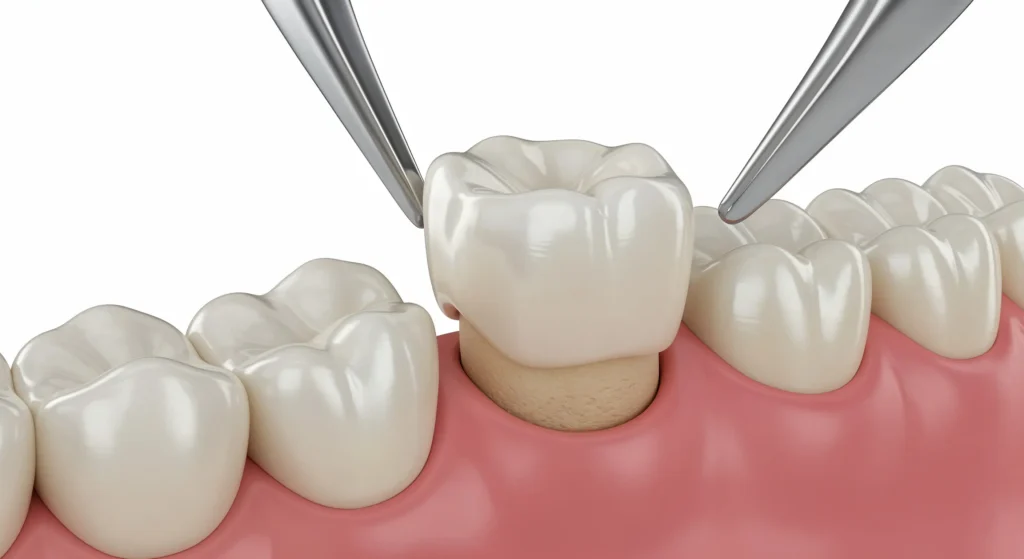
A knocked-out tooth creates a very particular kind of panic. It is painful, bloody, visible, and time-sensitive all at once. People usually focus on the obvious problem, the gap in the smile, but an Emergency Dentist sees a larger picture in those first few minutes. There is the tooth itself, the injured bone and gum tissue around it, the possibility of contamination, the risk of swallowing fragments, and the narrow window in which a permanent tooth may still be saved.
What happens in the first 15 to 30 minutes can change the outcome more than what happens in the next two weeks. That is why dentists who handle trauma cases tend to repeat the same advice over and over. Stay calm. Find the tooth. Touch it correctly. Keep it moist. Get to urgent dental care fast.
Those instructions sound simple until you are standing in a gym, on a sidewalk, or in your kitchen with blood in your mouth and adrenaline surging. In real life, people make understandable mistakes. They scrub the tooth with soap. They wrap it in a tissue. They drop it in ice water. They decide to wait until morning because the bleeding slowed down. Sometimes they show up with the tooth dry in a pocket after two hours and ask whether it can still be put back in.
Sometimes it can. Often it cannot. The difference usually comes down to the condition of the tiny ligament cells on the root surface. Those cells are fragile, and they matter.
The first priority is not the tooth, it is you
Before anything else, an Emergency Dentist wants to know whether you hit your head, lost consciousness, feel dizzy, or have trouble opening your mouth. A tooth injury can be part of a bigger facial trauma. If there was a fall, a sports collision, a car accident, or a blow strong enough to loosen several teeth at once, the mouth may not be the only concern.
Heavy bleeding that does not slow with pressure, severe jaw pain, obvious facial asymmetry, vomiting, or confusion changes the response immediately. In those situations, urgent medical evaluation may need to come before dental treatment. Parents of young children often focus on the missing tooth and miss the fact that the child is unusually sleepy or not answering questions normally. That is not a dental detail. That is an emergency.
If the person is stable, alert, and breathing comfortably, then attention shifts to the lost tooth and the socket.
Not every lost tooth should be put back
This is one of the most important distinctions. A permanent tooth and a baby tooth are handled differently.
A knocked-out permanent tooth is a true dental emergency because immediate reimplantation may save it. A knocked-out baby tooth is different. Dentists usually do not want parents to push a primary tooth back into place because doing so can injure the developing permanent tooth underneath. I have seen well-meaning adults do exactly that, only to create more trouble than the original fall caused.
Age helps, but it is not a perfect guide. Many children around six or seven are transitioning from baby teeth to permanent teeth in the front. If you are not sure whether it is a baby tooth or a permanent tooth, call an Emergency Dentist right away and describe the situation. A photo can help. Until you receive instructions, do not force the tooth back into the socket.
What to do in the first few minutes
When a permanent tooth is knocked out completely, the ideal response is quick and controlled.
- Pick the tooth up by the crown, which is the chewing or visible part, not the root.
- If it is dirty, rinse it gently for a few seconds with milk or saline, or very briefly with clean water. Do not scrub, scrape, or dry it.
- If the person is alert and cooperative, try to place the tooth back into the socket in the correct direction and have them bite gently on clean gauze or cloth.
- If reimplantation is not possible, keep the tooth moist in milk, saline, or inside the person’s cheek if they are old enough not to swallow it.
- Contact an Emergency Dentist immediately and head in without delay.
That is the basic protocol, and every part of it has a reason behind it.
Holding the tooth by the crown protects the root surface. The root is not just a hard peg. It is covered with living cells that help the tooth reattach. Scrubbing that root clean may feel hygienic, but it can destroy what the dentist is trying to preserve.
Rinsing is allowed when the tooth fell in dirt or debris, but gentle is the key word. A quick swirl under a small stream is enough. No toothbrush, no soap, no disinfectant, no alcohol, no peroxide. If you have ever seen someone polish a knocked-out tooth until it “looks clean,” you already know the instinct dentists are fighting against.
Placing the tooth back in the socket is often the best move if it can be done immediately and safely. The socket acts as the tooth’s natural storage environment. Still, this step is not for every situation. If the person is very young, distressed, vomiting, or at risk of inhaling the tooth, keeping it moist and getting to the office fast is safer.
Why milk works better than a napkin
People are often surprised that an Emergency Dentist will recommend milk over plain water. The explanation is practical. Cells on the root surface tolerate milk better than they tolerate drying out, and better than soaking in plain water for long periods. Water is easy to find, but prolonged storage in water can damage those cells. Dry storage is even worse.
A dry paper towel, pocket, purse compartment, or dashboard cup holder is about the worst place for an avulsed tooth. Once the root surface dries out for too long, the chance of long-term success drops sharply. Different studies and protocols describe the timing differently, but from a clinical standpoint, sooner is always better, and dry time matters. A tooth replanted within minutes has a very different prognosis from one that sat dry for an hour.
Cold milk, room-temperature milk, saline, or a tooth preservation kit are all better choices than letting the tooth dehydrate. If nothing else is available and the person is old enough to manage it safely, tucking the tooth inside the cheek can work for the short trip to the dentist. That said, I would not advise that for a small child, someone who is crying hard, or anyone who might accidentally swallow it.
The socket will look worse than it usually is
A fresh empty socket can look dramatic. There is blood, swelling starts early, and the gum margin may appear torn. Patients often assume the bone is shattered. Sometimes it is, but often the scene looks more severe than the actual structural damage.
An Emergency Dentist will still want to examine that area carefully. A tooth can be fully avulsed, partially displaced, or fractured near the gumline. The difference is not always obvious to the untrained eye. I have seen people search the floor for a tooth that was actually pushed deep into the socket rather than knocked out. I have also seen the opposite, a crown fragment mistaken for the whole tooth.
This is why imaging matters. If the entire tooth is not accounted for, your dentist may need X-rays to determine whether a fragment remains in the mouth, entered the lip, or in rare cases was aspirated.
Pain control matters, but not at the expense of time
People often lose precious time trying to get the pain perfectly under control before they leave home. That is rarely the right call. Yes, take a common over-the-counter pain reliever if appropriate for your medical history. Yes, apply a cold compress to the outside of the face to help with swelling. But do not let comfort measures delay definitive care.
A knocked-out permanent tooth is not a “watch it overnight” problem. The same is true for teeth that are pushed sideways, hanging loose, or broken with visible pink or red tissue in the center. Those injuries may not involve complete tooth loss, but they still deserve urgent attention.
Bleeding from the socket can usually be managed with firm pressure using clean gauze or even a folded clean cloth. Pressure should be steady, not repeatedly checked every few seconds. People often lift the gauze too often because they want to see whether it stopped. That restarts the process.
What the Emergency Dentist is thinking when you call
When a dental office hears that a tooth has been knocked out, the team is triaging before you even arrive. They want to know your age, whether the tooth is a permanent tooth, how long it has been out, how it has been https://medium.com/@simpledentalsouthgate/about stored, whether you have other injuries, and whether the tooth is intact.
Those questions are not administrative. They guide treatment and urgency. A tooth that has been out for 10 minutes in milk is a very different case from a tooth that has been dry in a tissue for three hours. Both deserve care, but the conversation about prognosis changes.
If the office tells you to come immediately, that is not an exaggeration. It reflects the biology of trauma. Good emergency dental care is often a race against dehydration, contamination, inflammation, and clot formation inside the socket.
What happens once you get to the office
The first visit is usually focused, not elaborate. The goal is to stabilize the situation, assess the damage, and make the best possible decision for the tooth and supporting structures.
In a straightforward reimplantation case, the Emergency Dentist may numb the area, gently clean the socket if necessary, reposition the tooth, and place a flexible splint that anchors it to neighboring teeth. Then comes a discussion about follow-up care, soft diet, hygiene, tetanus status if the injury occurred in a dirty environment, and the likely need for root canal treatment, especially in mature permanent teeth.
This surprises some patients. They assume that if the tooth goes back in, the problem is solved. Often it is not. Reimplantation is only the first step. The pulp inside the tooth may not survive the injury, and the root may later show signs of resorption or ankylosis. That does not mean reimplantation was a mistake. It means trauma care is a process, not a single event.
When reimplantation is not advisable or no longer feasible, the visit still matters. The dentist needs to clean the wound, manage pain, evaluate the socket and adjacent teeth, and start planning next steps. An untreated empty socket can become infected, heal poorly, or complicate later replacement.
The small mistakes that cause the biggest problems
Most poor outcomes are not caused by bad luck alone. They often follow a few very common errors. Emergency dentists see the same pattern repeatedly.
People touch the root because it feels natural to hold the narrow end. They scrub away dirt with a toothbrush because they think “clean” means “safe.” They let the tooth dry while they search online for advice. They assume that if the bleeding stops, the urgency has passed. They bring the tooth in a plastic bag with no liquid, wrapped in tissue like a piece of jewelry.
One teenage athlete I heard about lost an upper front tooth during practice and did almost everything right except one thing, he rinsed it vigorously for a full minute under hot tap water because it had landed on a muddy field. By the time he got to treatment, the tooth looked spotless. The problem was that the root cells likely were not. Compare that with another case where a parent simply picked up the tooth by the crown, set it in cold milk, and reached care in about 20 minutes. The visual drama was the same. The long-term outlook was not.
When the lost tooth cannot be saved
Not every avulsed tooth can be successfully replanted. The dry time may be too long. The root may be fractured. The socket may be damaged beyond immediate replacement. Infection risk or medical factors may complicate the picture. That does not mean the situation is hopeless.
Modern dentistry gives several ways to replace a missing tooth, and the right answer depends on age, bone support, bite, budget, and timing.
- A temporary bonded replacement can restore appearance quickly, especially in the front.
- A removable partial option may serve as a short-term or budget-conscious solution.
- A bridge may work in selected cases, though it involves neighboring teeth.
- An implant is often an excellent long-term option once healing and bone conditions allow.
- Orthodontic space management may be considered in younger patients or complex bites.
An Emergency Dentist is not only trying to save the original tooth. They are also trying to preserve bone and gum architecture so future treatment works better if saving the tooth is not possible. That is one reason prompt care still matters, even when the ideal rescue window has passed.
Children, sports, and the decisions parents regret later
With children, confusion is common because mouths are changing quickly. A seven-year-old with a missing front tooth may have lost a permanent incisor, or may have lost a baby tooth a little earlier than expected. The wrong assumption can send a family down the wrong path in the first few minutes.
Sports injuries are especially frustrating because many are preventable. Custom or properly fitted mouthguards reduce the severity of dental trauma, yet many young athletes skip them in sports where contact seems “unlikely.” Basketball, skateboarding, baseball, scooters, and backyard trampoline collisions generate more dental emergencies than many parents expect. The problem is not just organized contact sports. It is speed, hard surfaces, and faces meeting elbows, handlebars, or pavement.
When a child loses a tooth during play, adults often focus on reassurance, which is important, but they sometimes overlook evidence of lip lacerations or embedded fragments. If the tooth chipped rather than fell out cleanly, part of it can end up inside the lip. That is another reason an Emergency Dentist may order imaging even when the main concern seems obvious.
The hours after treatment matter too
Once the immediate crisis is over, patients sometimes relax too early. Follow-up instructions are not filler. They protect the result. If a replanted tooth has been splinted, hard biting on that area can disrupt stabilization. Poor hygiene around an injured socket can increase inflammation. Skipping follow-up visits can delay recognition of pulpal death or root changes.
Soft foods, careful brushing, prescribed rinses if advised, and attending scheduled reviews all matter. So does paying attention to symptoms. Increasing pain, bad taste, swelling, fever, or a tooth that feels as though it is rising out of place deserve a call back to the office.
Front teeth that survive the initial injury can later darken. That color change does not automatically mean failure, but it does need evaluation. Trauma has a long tail. A tooth may look acceptable for weeks before a hidden problem becomes radiographically obvious.
What people usually ask in the chair
The first question is almost always whether the tooth will live. The honest answer is often “maybe.” Dentistry can improve the odds, but it cannot erase the biology of trauma. Time out of the mouth, storage conditions, root development, and the force of impact all affect prognosis.
The second question is whether the reimplanted tooth will last forever. Sometimes it does not. In younger patients, even a tooth that ultimately fails can be valuable as a temporary space holder and bone preserver while the face continues to grow. That can make future implant treatment more predictable later on. Saving the tooth for a few years may still be a very good outcome.
The third question is whether insurance covers an emergency visit. That depends on the plan and the treatment performed, and it is rarely the first concern in the operatory. But it is a practical question, and offices that handle trauma cases are used to helping patients navigate it after urgent care is underway.
The mindset that helps most
The best response after losing a tooth is not perfection. It is speed with basic correctness. An Emergency Dentist does not expect the public to know every detail of dental trauma care. They do hope people know a few high-yield rules that dramatically improve the chance of saving a permanent tooth.
Pick it up by the crown. Do not scrub the root. Keep it moist. Try to reinsert it if appropriate and safe. Seek emergency dental care immediately.
Those few actions are the difference between a recoverable dental trauma and a much harder restorative problem. When people remember them, dentists have options. When they do not, the appointment often shifts from rescue to replacement.
That is the reality behind the urgency. A lost tooth is not only a cosmetic event. It is a biologic emergency with a short window for the best possible outcome. An Emergency Dentist wants you to act like it.
Simple Dental Vermont
Address: 8914 S Vermont Ave, Los Angeles, CA 90044
Phone number: +13239493000
FAQ About Emergency Dentist Los Angeles CA
What can the ER do for a tooth?
The emergency room can provide temporary symptom relief for a bad tooth, such as prescribing pain medicine or antibiotics, but it cannot fix the actual dental problem.
What is the 3-3-3 rule for tooth infection?
The 3-3-3 rule for a toothache or infection typically means taking three 200 mg ibuprofen tablets (600 mg total) three times a day for no more than three days to control pain and swelling while waiting to see a dentist.
What do you do if you have a dental emergency but no dentist?
If you have a dental emergency and no regular dentist, you should search for an urgent care dental clinic, call local walk-in dental offices, or go to a hospital emergency room if you have severe bleeding, swelling, or trouble breathing.